
The project
The future great organ
of Bordeaux Cathedral
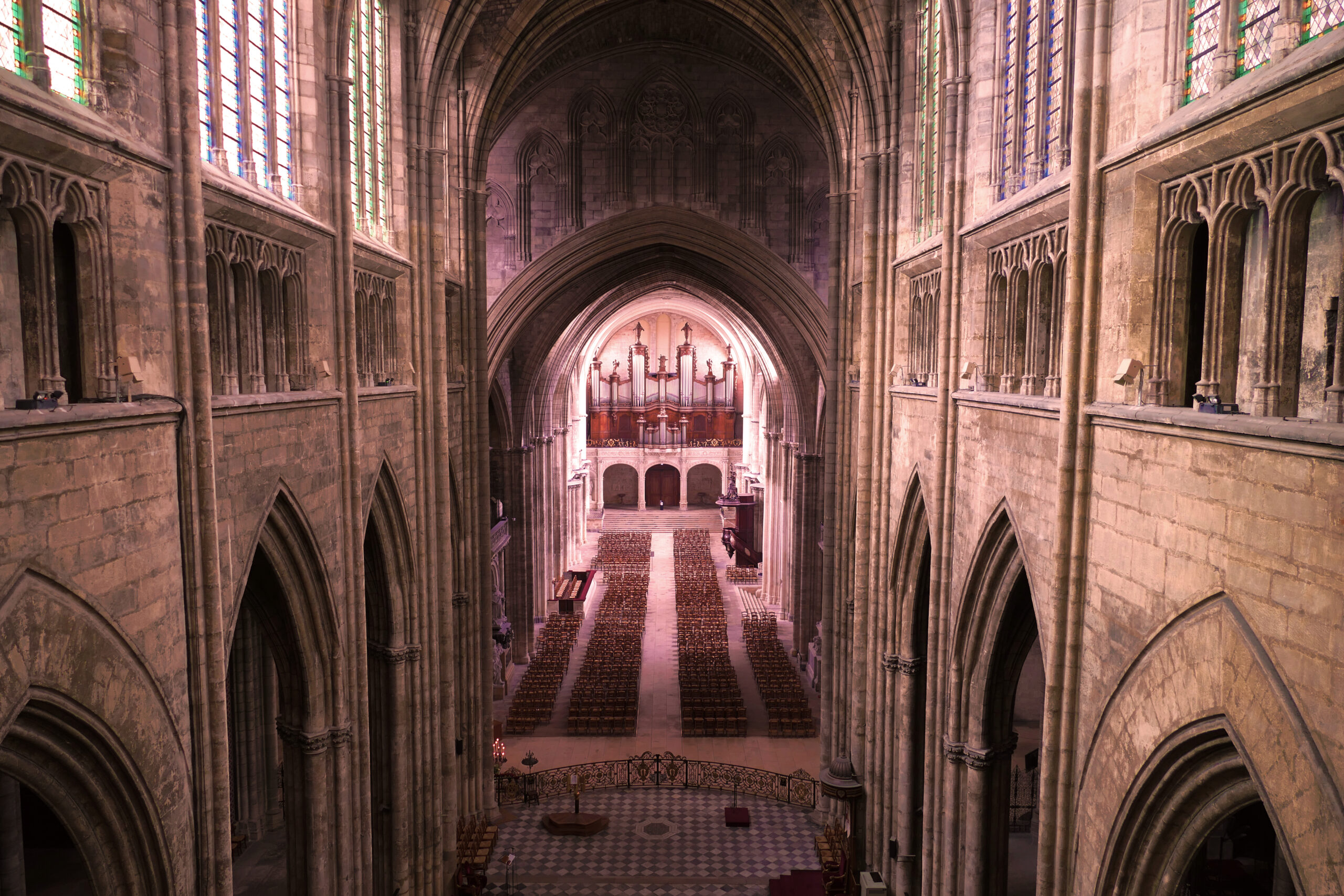
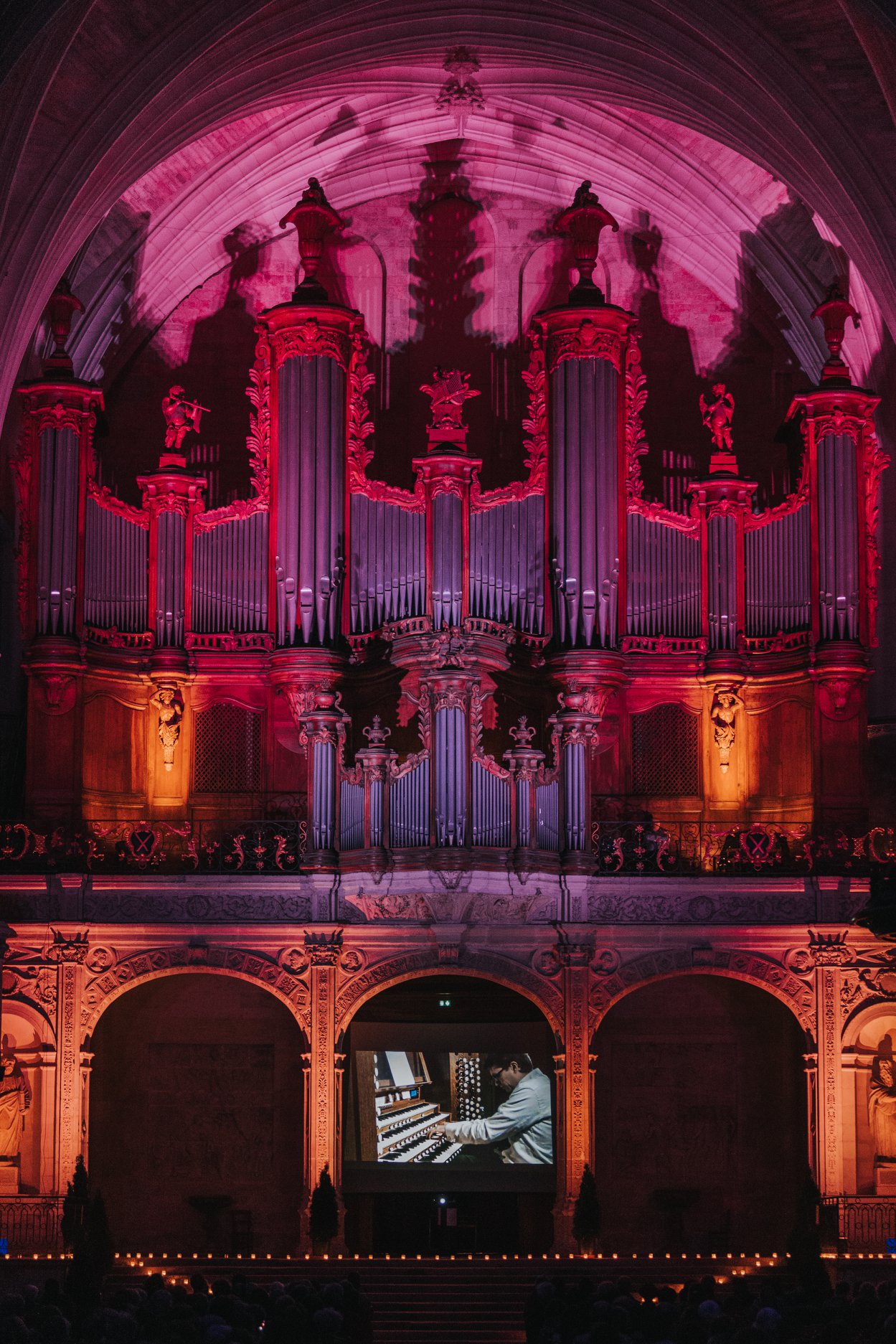

An exceptional instrument for an exceptional place
The new organ for Bordeaux Cathedral is unprecedented in France, both in scale and in its musical and technical conception. Housed in the historic organ case, protected as a Monument historique that will be fully restored for the occasion, the instrument will comprise around 98 speaking stops distributed across 119 ranks, totalling 6,800 pipes.
Its tonal design will be European symphonic in character, based on the French tradition and closely matched to the cathedral’s acoustics.
Tradition and modernity in harmony
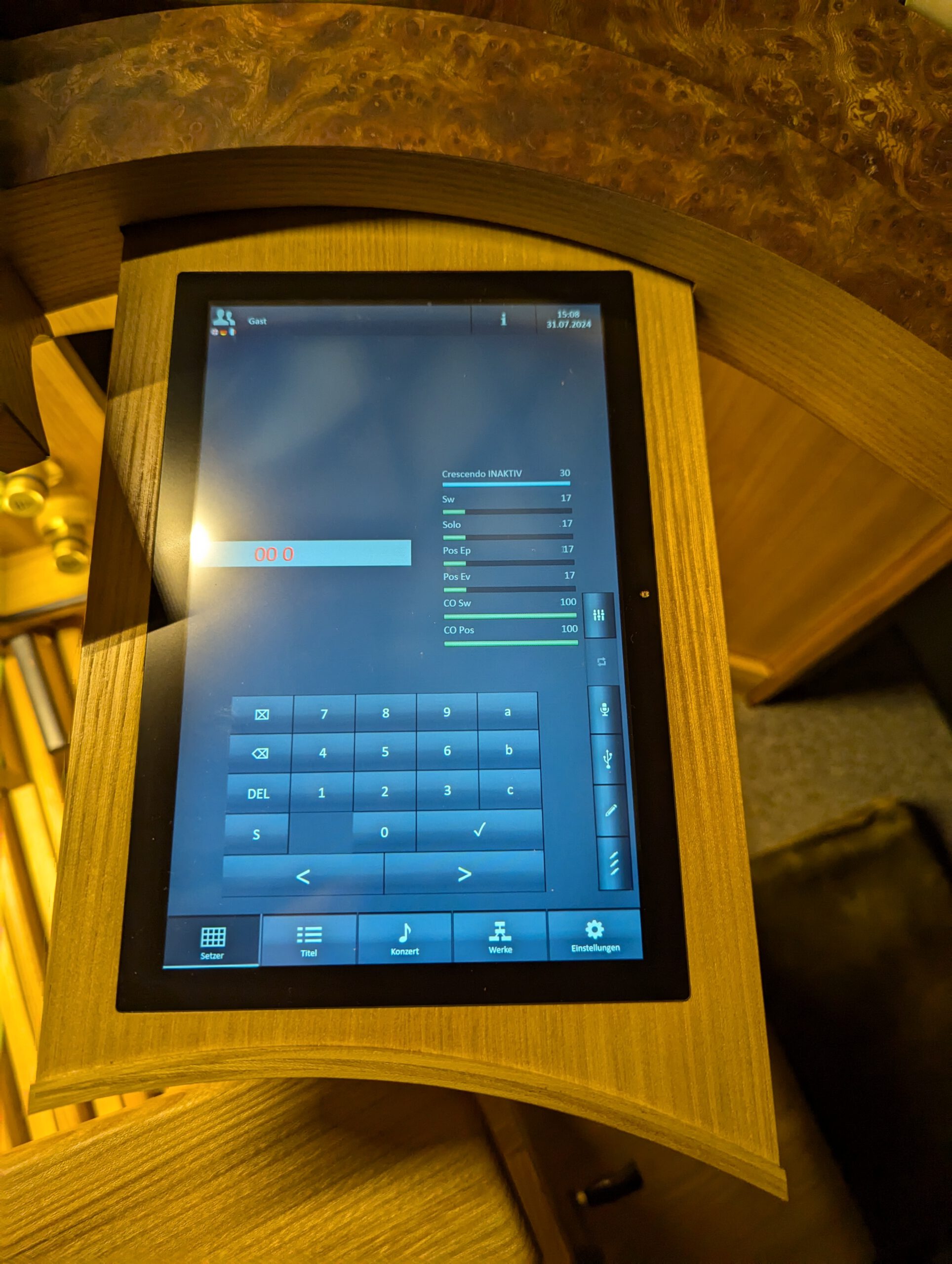
Combining centuries of organ-building craftsmanship with advanced technology, the instrument will feature Rieger’s proportional key action and proportional stop action, digital control over fibre optics, and a mobile master console.
Located in the nave, this console will allow organists to engage with audiences during concerts and to play in close contact with other musicians. The control system (REA – Rieger Electronic Assistant) offers exceptional flexibility, including recording and orchestration functions, personalised settings and remote diagnostics and maintenance.
An exceptional tonal palette
The organ will comprise 15 independent divisions, seven of them enclosed in swell boxes, arranged over three levels. This unprecedented layout will allow for exceptional musical flexibility.
Its tonal core draws on the French symphonic organ, enriched by German, English and American influences. The result will be a versatile instrument with a strong personality, capable of embracing repertoire from every period, from early music to contemporary creation.
The organist will be able to shape tone color with extraordinary subtlety through the wealth of available combinations and new technologies for controlling wind, dynamics and proportional stop positions.


pipes across 98 speaking stops (119 ranks)
independent swell boxes enclosing 42 stops
divisions, freely assignable to any of the four manuals or the pedal
consoles, including a mobile master console in the nave, from which the main organ and the choir organ can be played simultaneously
to
Pipe lengths
hours of work
pipes across 98 speaking stops (119 ranks)
independent swell boxes enclosing 42 stops
consoles, including a mobile master console in the nave, from which the main organ and the choir organ can be played simultaneously
hours of work
divisions, freely assignable to any of the four manuals or the pedal
to
Pipe length
A Technical Challenge in the service of music
Weighing nearly 34 tonnes, the organ will rest on an innovative lightweight timber-and-steel structure designed to respect and preserve the historic Renaissance organ loft. Wind is supplied through a complex system of bellows, providing both stability and expressive flexibility.
Both key action and stop action are proportional. Every component is made by hand in the Rieger and Orglez workshops, in keeping with a commitment to durability and craftsmanship of the highest order.
This high degree of in-house integration provides complete control over quality and consistency throughout the project.
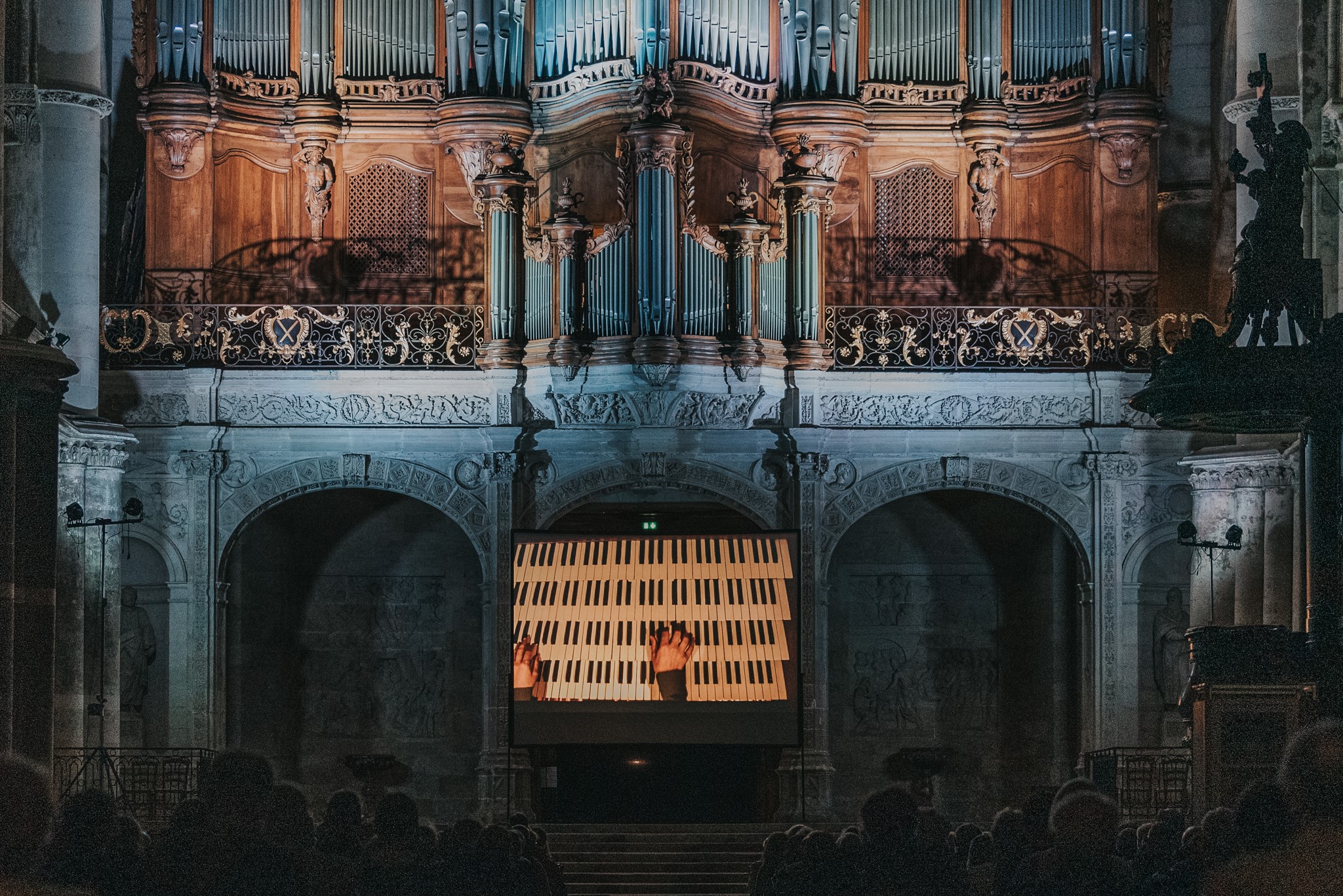
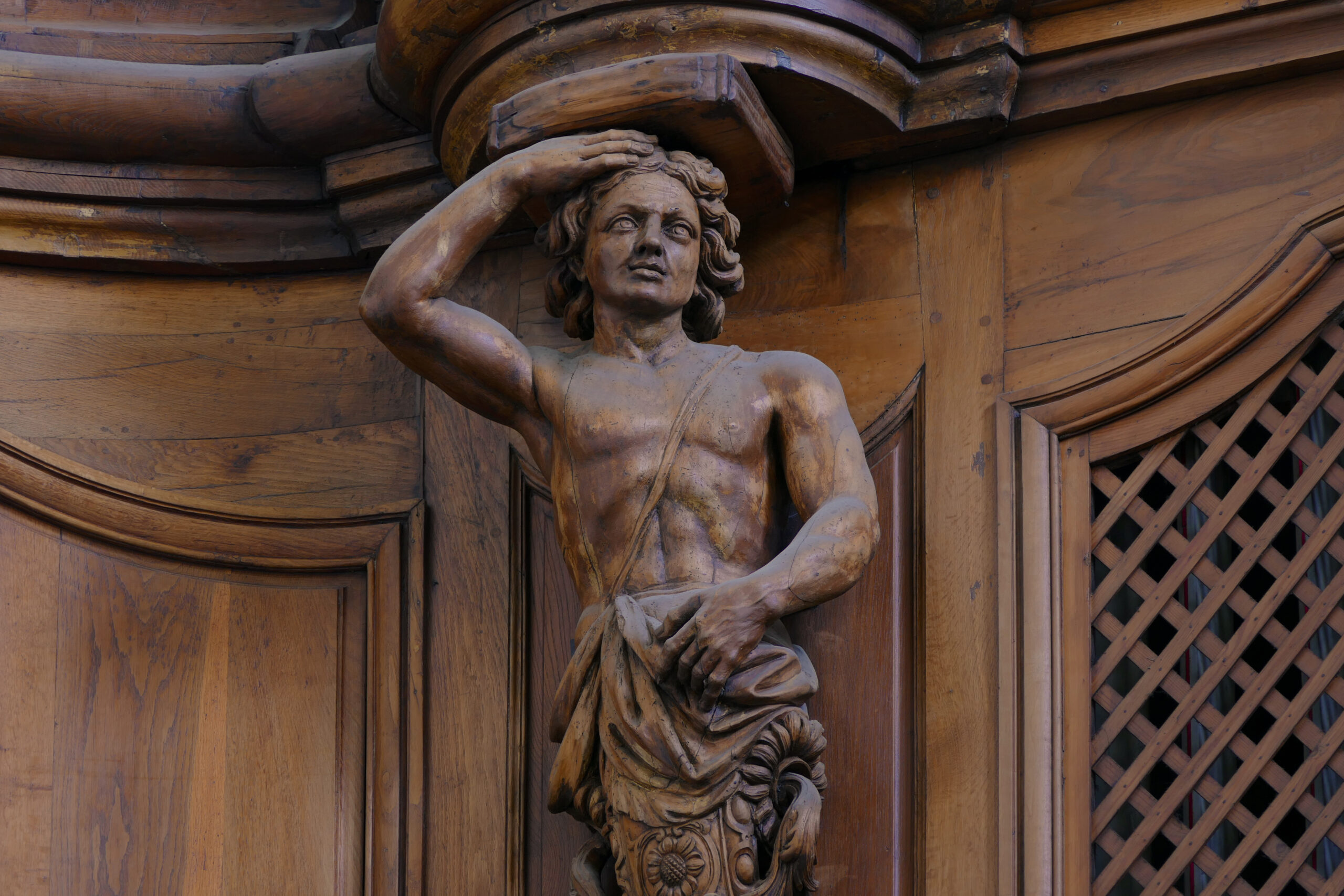
An instrument for the future
The new Bordeaux organ is set to become one of the most significant new instruments ever built for a French cathedral.
It will enrich the cathedral’s liturgical and cultural life, attract artists from around the world and foster new creative work.
A symbol of innovation, living heritage and the passing on of skills, it marks a decisive milestone in the history of organ music in France and across Europe.
The organ builders:
a project bringing together tradition, innovation and a craft passed on to a new generation


A Franco-Austrian partnership in pursuit of excellence
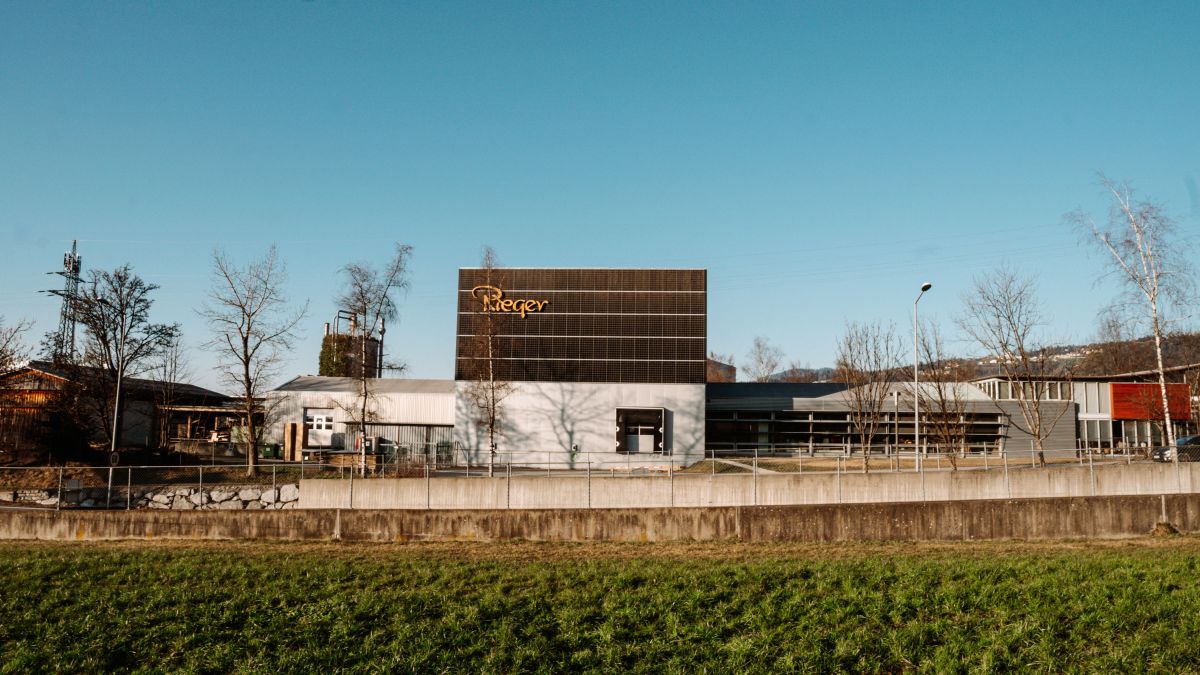
Selected following a competitive tender in 2024, the consortium formed by Rieger Orgelbau (Austria) and Orglez L’Haridon-Freyburger (Brittany) brings together long-established expertise and a young generation of committed craftspeople.
Rieger Orgelbau: a leading name in organ building since 1844
Founded in 1844 in Austrian Silesia, Rieger Orgelbau is now one of the world’s oldest and most respected organ-building firms. Renowned for the quality of its craftsmanship, attention to detail and technical precision, the company has endured wars, political upheaval and profound historical change without compromising the excellence that is its trademark.
Based today in Schwarzach, Austria, the company employs more than 60 people and sustains a strong tradition of apprenticeship and knowledge-sharing: each generation passes on to the next the subtle art of building living instruments designed to last for centuries.
Landmark instruments
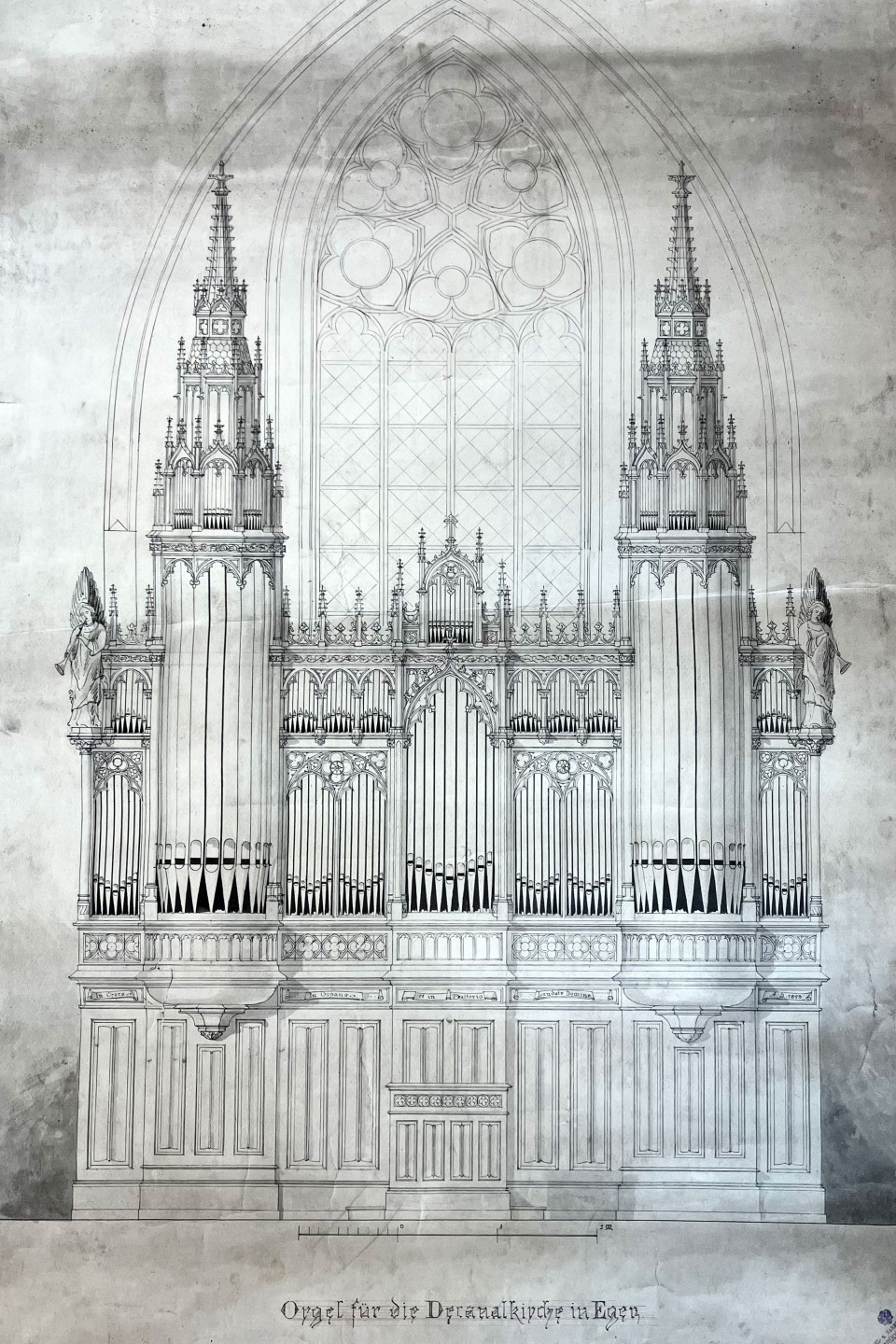
Rieger has built organs for many prestigious venues, including St Stephen’s Cathedral and the Musikverein in Vienna, the Philharmonie de Paris, Helsinki’s Musiikkitalo (with 3D-printed biocomposite pipes), the Gothenburg Konserthuset, and the cathedrals of Luxembourg and Mainz.
These instruments are widely admired by musicians and organists for their tonal quality, expressive power and refinement of design.
Innovation and technology in the service of tradition
At Rieger, innovation is a natural extension of tradition. The firm now works with new-generation materials, advanced construction techniques and highly modular approaches to organ design.
The Helsinki organ, inaugurated in 2024, is a striking example of this approach: 260 metres of wind trunking, digital controls, proportional action and 3D-printed pipes, all without compromising tonal quality.
Orglez: a new generation of French organ building
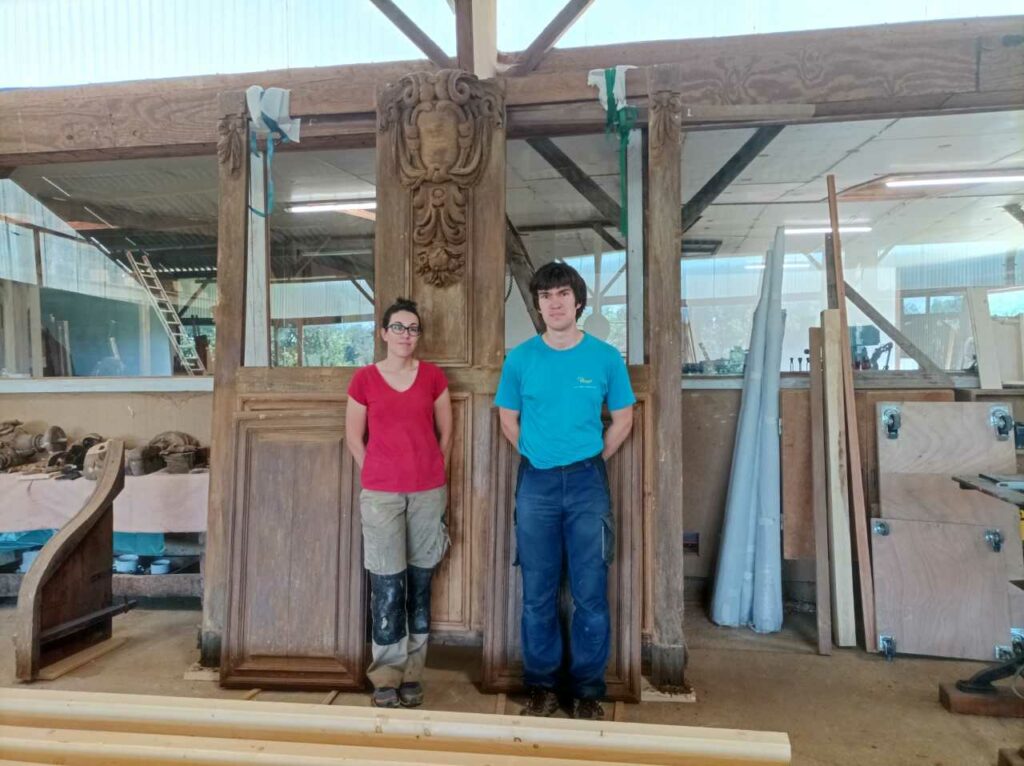
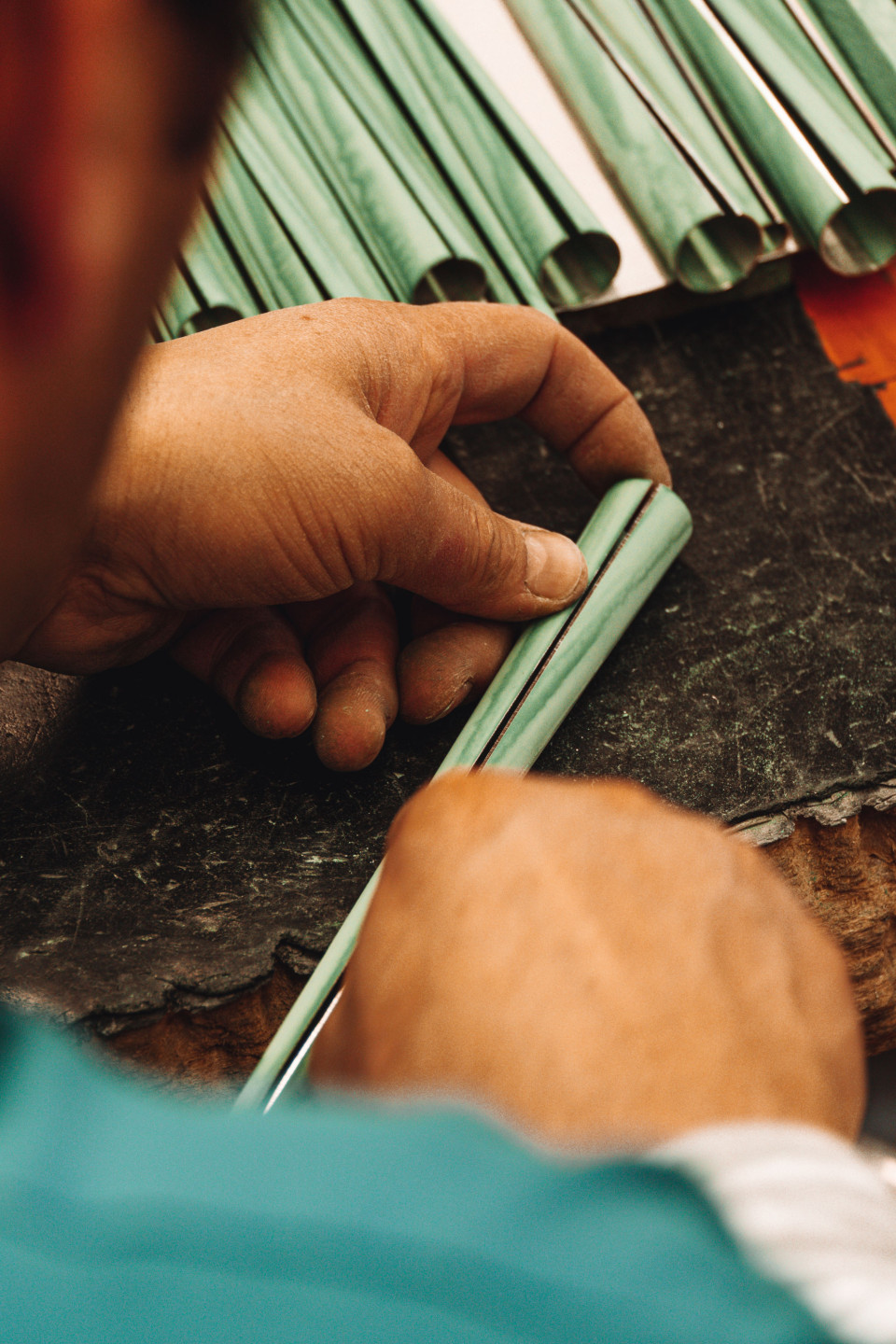
Founded in 2020 by Gwennin L’Haridon and Pauline Freyburger, the Orglez workshop is based at Les Forges de Lanouée in Morbihan. Gwennin L’Haridon trained and worked at Rieger for four years, absorbing its methods and exacting standards.
The Rieger–Orglez collaboration not only brings expertise back to France, but also ensures close contact with the commissioning bodies and gives the project a strong local base.
A shared vision, a project that brings people together
This project goes far beyond building an instrument: it is about passing on cultural heritage, advancing the craft of organ building and pursuing musical excellence. It forges connections across generations and countries, between craftspeople and musicians.
It presents organ building as a living, evolving heritage capable of inspiring both the wider public and its patrons.


